Social media is a key tool for research curation. It helps extend your audience outreach and enables largescale communication. Before you tackle the social media environment, it is important to develop a strategy. Based on our experience using a range of social media channels, we developed a series of best practices to help us develop and revise our social media strategy.
- Conduct audience research to help determine which social media platforms suit your needs. Perform social listening to understand target audiences and to develop strategies to help you succeed.
- Research other social media profiles
- Monitor popular hashtags
- Consult secondary research
- Deliver surveys or questionnaires
- Conduct interviews or run focus groups
- If you have an existing website(s) or social media account(s), consult your analytics to determine patterns and trends
- Continue to research social media best practices as your platforms evolve and adjust your strategy accordingly
- Jump into social media without doing research first.
- Compile a custom list of Twitter and Instagram hashtags relevant to your research activities. Think of keywords that are relevant to your work and look them up to determine their suitability and to see how other people are using them.
- Integrate relevant weekly hashtags into your content schedule (i.e. #MondayBlogs #FridayThoughts, etc.)
- Watch for relevant trending hashtags (i.e. #WorldWaterDay, #EarthDay, etc.)
- Avoid using hashtags that are not relevant to your work
- Avoid posting too many hashtags
- Avoid using hashtags on Facebook
- As the social media landscape continues to shift, consider personalizing your content. Establish a consistent voice and tone that embodies your identity as a researcher.
- Introduce yourself
- Share the occasional workplace selfie
- Discuss your research in videos
- Express ideas or opinions
- Broadcast to your audience
- Simply post links or content without personalizing it
- Post the same content to multiple platforms without customizing it
- Consider using a social media management tool (i.e. Buffer, Hootsuite, Sprout Social, etc.) This will help you preschedule posts/tweets, determine best posting times, repost old content, and measure and monitor your analytics depending on the plan you select.
- Test different management tools to help you determine which one works best for you.
- Forget that you have pre-scheduled content! You might have to remove this content if it is no longer relevant.
- Social media algorithms are moving targets, therefore, there are no universal best times to post. Select a variety of times to post and experiment for a month. Review your social media analytics to determine best times and adjust your schedule accordingly.
- Ensure your content schedule is manageable yet consistent.
- Check out Hootsuite’s in-depth guide to developing a content calendar.
- Post on an erratic schedule.
- Set social media goals to help determine whether your efforts are working. These goals will help you determine how to frame your content, your voice and tone, and which social media channels work best for you.
- Learn how to set social media goals in this Hootsuite guide.
- Monitor top performing posts to determine what techniques and strategies are working
- Adapt future posts based on what you have learned
- Conduct annual and/or bi-annual analyses of your analytics to help determine trends. This information also provides great data for publications
- Start a social media strategy without a goal
- Forget to measure and track your progress
- Conduct audience research to help determine which social media platforms suit your needs. Perform social listening to understand target audiences and to develop strategies to help you succeed.
- Research other social media profiles
- Monitor popular hashtags
- Consult secondary research
- Deliver surveys or questionnaires
- Conduct interviews or run focus groups
- If you have an existing website(s) or social media account(s), consult your analytics to determine patterns and trends
- Continue to research social media best practices as your platforms evolve and adjust your strategy accordingly
- Jump into social media without doing research first.
- Compile a custom list of Twitter and Instagram hashtags relevant to your research activities. Think of keywords that are relevant to your work and look them up to determine their suitability and to see how other people are using them.
- Integrate relevant weekly hashtags into your content schedule (i.e. #MondayBlogs #FridayThoughts, etc.)
- Watch for relevant trending hashtags (i.e. #WorldWaterDay, #EarthDay, etc.)
- Avoid using hashtags that are not relevant to your work
- Avoid posting too many hashtags
- Avoid using hashtags on Facebook
- As the social media landscape continues to shift, consider personalizing your content. Establish a consistent voice and tone that embodies your identity as a researcher.
- Introduce yourself
- Share the occasional workplace selfie
- Discuss your research in videos
- Express ideas or opinions
- Broadcast to your audience
- Simply post links or content without personalizing it
- Post the same content to multiple platforms without customizing it
- Consider using a social media management tool (i.e. Buffer, Hootsuite, Sprout Social, etc.) This will help you preschedule posts/tweets, determine best posting times, repost old content, and measure and monitor your analytics depending on the plan you select.
- Test different management tools to help you determine which one works best for you.
- Forget that you have pre-scheduled content! You might have to remove this content if it is no longer relevant.
- Social media algorithms are moving targets, therefore, there are no universal best times to post. Select a variety of times to post and experiment for a month. Review your social media analytics to determine best times and adjust your schedule accordingly.
- Ensure your content schedule is manageable yet consistent.
- Check out Hootsuite’s in-depth guide to development a content calendar.
- Post on an erratic schedule.
- Set social media goals to help determine whether your efforts are working. These goals will help you determine how to frame your content, your voice and tone, and which social media channels work best for you.
- Learn how to set social media goals in this Hootsuite guide.
- Monitor top performing posts to determine what techniques and strategies are working
- Adapt future posts based on what you have learned
- Conduct annual and/or bi-annual analyses of your analytics to help determine trends. This information also provides great data for publications
- Start a social media strategy without a goal
- Forget to measure and track your progress
- Design a custom logo for use on your website and in your social media profiles. This will help establish brand consistency and recognition.
- Use your logo as a design benchmark for any content you publish online (i.e. social media graphics, event postcards, online reports, etc.)
- Consider getting a professional designer to help you
- Buffer design tips to enhance social media images
- Write cohesive and consistent profile descriptions for each social media platform.
- Include affiliated Twitter accounts
- Clearly state your subject
- Include keywords
- Fill out every bio field (i.e. location, website, description, image, etc.)
- Consider linking another social media account under the website field to enhance cross-promotion
- Include relevant hashtags
- Convey personality
- Hootsuite Instagram bio guide
- Check out what other influencers in your field do, and emulate the best ones
- Use casual language and avoid academic jargon.
- Use first person
- Share personal opinions
- ‘use’ vs. ‘utilize’ or ‘imperative’ vs. ‘important’
- Focus on one message or call to action for each post.
- If you have more than item to share in one post, consider starting a Twitter thread or posting additional information in the post comments
- “to learn more”, “click here”, “share your thoughts”
- Follow others widely, but be sure they are actually part of the community you wish to engage.
- Review their posts, their website(s), and other social media channels
- Review who they are following and their followers
- To quickly locate suitable accounts to follow, review the following list of users you admire and trust
- Establish a two-way relationship between your website and your social media sites. This will help circulate your research outcomes further and keep those platforms active. Your website feeds content to your social media channels, and your social media channels help generate visitors to your website.
- Insert a link to your other social media platform in your website field
- Post call to actions directing users to your other social media
- Include a link to your Instagram account in your Twitter bio.
- Pin a call to action referencing your other social media platform
- Identify relevant web content and share accordingly across your social media platforms. This will help establish you as a ‘micro-influencer’ as other users will look to your social media accounts for content on your niche subject.
- Share topical news features, interesting research projects, videos, data visualizations, and articles related to your research
- Share or retweet relevant posts
- Consider including commentary about the content or how it connects to your work
- See figure 5 below
- Curate social media content featuring the work of others, or go one step further and write a blog about their research.
- Tag or mention other users in any social media posts promoting their work as this will help reach them and show your support
- Link back to your own work when relevant
- See figure 6 below
- Demonstrate support of other accounts by consistently liking, retweeting, and commenting on posts. This may prompt them to reciprocate.
- Show support for a variety of accounts
- Avoid retweeting the same accounts repeatedly
- Stay on top of certain social media trends while avoiding others. Since some trends are more suited for sales marketing or celebrity culture, it is important to identify which strategies work best for communicating your research outcomes.
- When conducting research on social media best practices, ensure your sources were published within the last year or so as social media evolves quickly
- Social media management blogs are great sources for up-to-date information
- Design a custom logo for use on your website and in your social media profiles. This will help establish brand consistency and recognition.
- Use your logo as a design benchmark for any content you publish online (i.e. social media graphics, event postcards, online reports, etc.)
- Consider getting a professional designer to help you
- Buffer design tips to enhance social media images
- Write cohesive and consistent profile descriptions for each social media platform.
- Include affiliated Twitter accounts
- Clearly state your subject
- Include keywords
- Fill out every bio field (i.e. location, website, description, image, etc.)
- Consider linking another social media account under the website field to enhance cross-promotion
- Include relevant hashtags
- Convey personality
- Hootsuite Instagram bio guide
- Check out what other influencers in your field do, and emulate the best ones
- Use casual language and avoid academic jargon.
- Use first person
- Share personal opinions
- ‘use’ vs. ‘utilize’ or ‘imperative’ vs. ‘important’
- Focus on one message or call to action for each post.
- If you have more than item to share in one post, consider starting a Twitter thread or posting additional information in the post comments
- “to learn more”, “click here”, “share your thoughts”
- Follow others widely, but be sure they are actually part of the community you wish to engage.
- Review their posts, their website(s), and other social media channels
- Review who they are following and their followers
- To quickly locate suitable accounts to follow, review the following list of users you admire and trust
- Establish a two-way relationship between your website and your social media sites. This will help circulate your research outcomes further and keep those platforms active. Your website feeds content to your social media channels and your social media channels help generate visitors to your website.
- Insert a link to your other social media platform in your website field
- Post call to actions directing users to your other social media
- Include a link to your Instagram account in your Twitter bio.
- Pin a call to action referencing your other social media platform
- Identify relevant web content and share accordingly across your social media platforms. This will help establish you as a ‘micro-influencer’ as other users will look to your social media accounts for content on your niche subject.
- Share topical news features, interesting research projects, videos, data visualizations, and articles related to your research
- Share or retweet relevant posts
- Consider including commentary about the content or how it connects to your work
- See figure 5 below
- Curate social media content featuring the work of others, or go one step further and write a blog about their research.
- Tag or mention other users in any social media posts promoting their work as this will help reach them and show your support
- Link back to your own work when relevant
- See figure 6 below
- Demonstrate support of other accounts by consistently liking, retweeting, and commenting on posts. This may prompt them to reciprocate.
- Show support for a variety of accounts
- Avoid retweeting the same accounts repeatedly
- Stay on top of certain social media trends while avoiding others. Since some trends are more suited for sales marketing or celebrity culture, it is important to identify which strategies work best for communicating your research outcomes.
- When conducting research on social media best practices, ensure your sources were published within the last year or so as social media evolves quickly
- Social media management blogs are great sources for up-to-date information

“The new analysis shows that while meat and dairy provide just 18% of calories and 37% of protein, it uses the vast majority – 83% – of farmland and produces 60% of agriculture’s greenhouse gas emissions.”

Avoiding meat and dairy is ‘single biggest way’ to reduce your impact on Earth
Figure 5: Content curation example of a Facebook post promoting a topical news item

Many people feel alienated by discourse around #climatechange. This @ClimateOutreach project is working to change the conversation.
#ClimateAction #ActOnClimate

It’s time for climate change communicators to listen to social science
Figure 6: A tweet showing support for another Twitter user by sharing a news feature and including a ‘mention’
For academics, social media is often a side of desk task, given the workload of teaching, research, community service, and administration. Furthermore, developing strategic and effective content for social media can be time consuming. To help manage this task, use a social media management tool like Buffer or Hootsuite. These tools help you cross-post between platforms and enable you to pre-schedule content up to weeks in advance. If you have a research assistant managing your social media sites, content managers enable you to review posts before they are published.
Repost
Given the short shelf life of social media posts, repost old content to maximize their exposure.
Scheduling
Schedule content ahead of time but leave room for last minute additions, given how quickly news stories or developments spread online.
Cater Your Copy
Always cater your written social media copy to the platform you are using. For example, write shorter copy with hashtags and mentions for Twitter. Adapt this copy for Facebook by removing hashtags, abbreviations, and mentions.
The next big movement in the social media landscape is personalized engagement. Such platforms starting to privilege personal content over marketing content as users are inundated with marketing and ads. Therefore, it is important to be mindful of how you present yourself online. While some users may struggle with finding the best way forward, this development provides academics with great opportunities. When communicating your research on social media or through other online forms of media (i.e. blogs, videos, etc.), insert personal touches. Furthermore, your community may want to engage with you in non-public ways. Consider establishing communities or groups on sites like weChat, Facebook, What’s App, or SnapChat, or find out how to join established groups that benefit from your expertise.
Tone
Use a conversational tone in blog posts and consider sharing your personal experiences or opinions of research findings, conferences, news developments, research initiatives, etc.
Stories
Document day-to-day experiences related to your work through stories on Instagram or Facebook.
Selfies
Share the occasional selfie or group photo to remind users that there is a human behind the account.
Interact
Human to human interactions are also becoming increasingly important, therefore the ways in which you communicate with your audience is key. Engage in conversation with other users on social media.
These strategies may ultimately help build anticipation, support, and trust in your research. If users can see a face behind the name, they may be more inclined to engage further.
For example, we have experimented with posting the same content on our research Twitter account and on our Principal Investigator’s personal Twitter account. While we received engagement on both posts, her account received significantly more despite having less followers and a less rigorous content schedule. While this is not the first time we have encountered this, it may suggest that people are more trusting of or engaged with personal accounts. While some accounts may profile an academic, others will represent a team of researchers or a research lab. If so, it is important to profile the people behind the research.
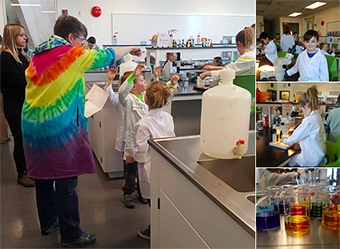
Figure 7: An example of sharing personalized behind-the-scenes photos of day-to-day experiences in a science lab.