Academic Research Curation Best Practices
This guide has been prepared by CRC Research as an outcome of the SSHRC-funded research project, Research Curation: Making a Difference. This project explored how to integrate contemporary museum and social media marketing practices to enhance research dissemination and knowledge transfer between academics and wider publics.
For further information, please refer to our research curation webpage.
Given the spread of misinformation and the challenges in effectively circulating academic research outcomes to the general public(s), it is even more crucial for academic research to make a difference. Research curation is a method to communicate research outcomes online to diverse audiences, building upon contemporary museum practices as well as best practices in social media marketing. It combines internet communication technologies (ICT’s) with select curatorial and communication frameworks for a wider dissemination of research outcomes.
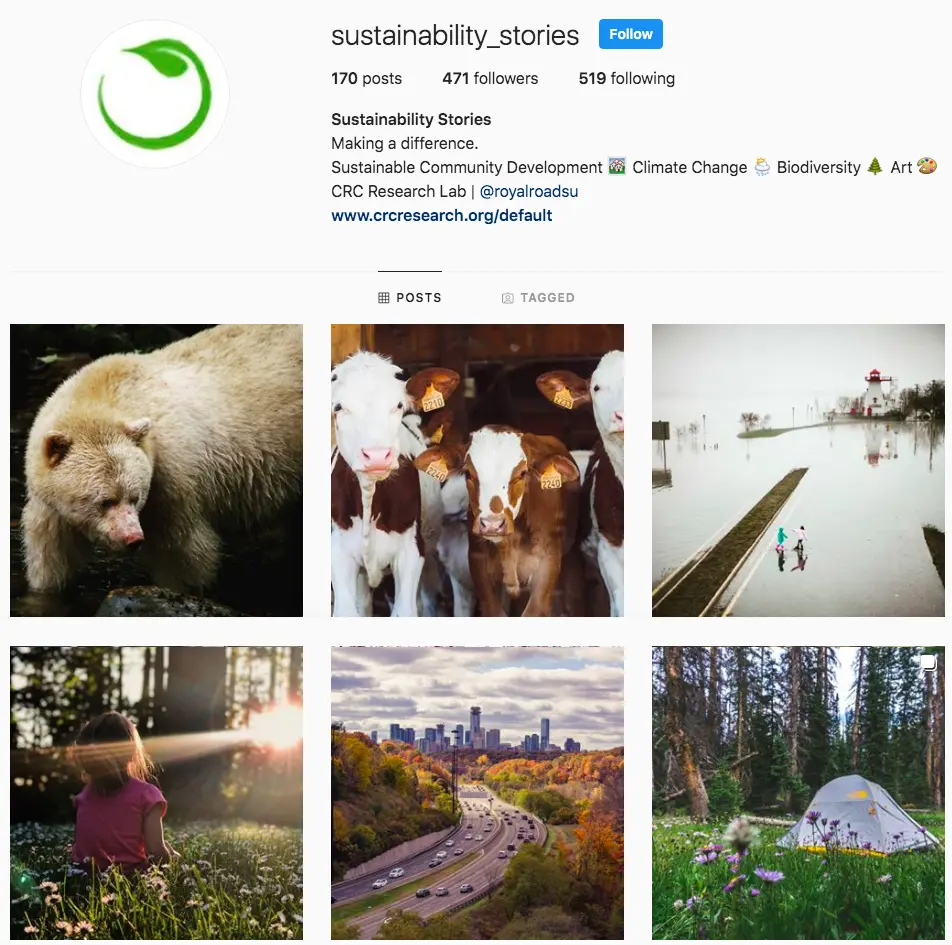
Figure 1: Sustainability Stories Instagram
Developing a digital strategy is the first step to take before initiating any web communication activities. Given how intensive social media and website management can be, it is important to plan and strategize ahead of time. This helps to identify the purpose for such activities, how it relates to your research goals, what you hope to achieve, and how you will carry them out.
Through testing, research, and lessons learned, we came up with a framework for developing an effective digital communication strategy for academic research outcomes (Hodson, Dale & Clifton-Ross, 2018).
Audience engagement is a key factor for effective research curation and should be the first step you take when developing a digital communication strategy. To engage new audiences online, it is important to understand what information interests them, where they are located online, and which media they are attracted to.
As a best practice, museums typically conduct audience research prior to curating exhibits. This helps maximize audience engagement potential as this research informs many elements in exhibits—including design, content, interpretive themes, labels, marketing, education, public programming, technology, etc.
Before dedicating time and resources to communicating your research outcomes and transforming them into new media, research your target audiences. You can do this through a variety of methods, including: secondary research, surveys, questionnaires, interviews, focus groups, social media metric analysis, website metric analysis, etc.
Social media content is ineffective if nobody sees it, which is why it is important to understand your target audience, identify where they are located, and how they communicate.
To uncover this information, do some research to find out what platforms your target demographic is using (emarketer and Pew Research are two helpful places to go) and then make sure you spend time on the right platform listening to your community. You will see what topics they are interested in, what times they are most active, which will help you create content that resonates.
Writing for social media is incredibly different than traditional academic writing. It is a more personal medium, therefore you will have a greater impact when you consider both the heart and the mind. This is especially important since people interpret information and research through personal filters which are influenced by emotions. These psychological factors help determine how they understand and use information.
In museums, this concept is often referred to as ‘affect’. In order for people to connect to information, they must personally identify with it, envision themselves within it, or be moved by it.
As social media increasingly becomes a ‘walled garden’, one way to resonate with your audience is by personalizing your research. Putting a face behind the name, so to speak, can help make your content more engaging and impactful. For example, speak to your audience directly in blog posts, share a selfie in your work space, or discuss a research finding in an Instagram story or video.
Many research subjects, such as environmental issues, are framed through doom and gloom messaging. While shock value can be an effective tool for surface engagement, sharing innovative stories, research progress, or solutions-based content can help differentiate your content. We successfully increased the size and diversity of our audience by focusing on positive and helpful messaging. Whenever we identify a problem, we also identify solutions or local, national, and international innovations.
Create online content that is engaging, topical, and entertaining. Consider using trending hashtags, creating memes or GIFs, or inserting humour into your content.
Integrate images, videos, art, data visualizations, music, or GIF’s when developing social media and website content. This will help capture your audience’s attention in their busy social media feeds, make your content more memorable, and insert a performative element. Furthermore, visuals can communicate large amounts of information in a small space.
Points of Entry
To engage a diversity of users online, it is important to offer multiple points of entry. Since some people are drawn to videos and data visualizations while others prefer peer-reviewed journal articles and reports, consider presenting your research outcomes through a variety of media.
Ensure your content provides added value and breaks through information overload. It is not enough to simply share links; content curation must provide additional insight and commentary on the content at hand.
Show Support
The content you share should help build trust with your audience. Maintain a consistent content schedule and curate only reliable and high-quality content. Consider following other substantive users, highlighting their work in blogs posts or news features, or like and retweet/share their posts.

NASA happily reports that Earth is greener than it was 20 years ago. This is all thanks to China and India, and their ambitious tree planting efforts.
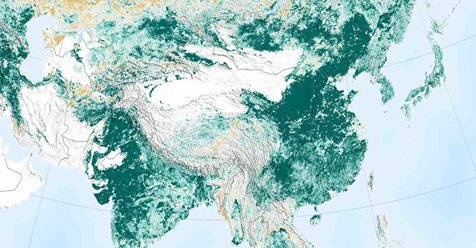
NASA Happily Reports the Earth is Greener, With More Trees Than 20 Years Ago–and It’s Thanks to China, India
Figure 2: Positive Facebook post

Communicating the facts is not enough. We need to move hearts and minds to tackle climate change. #ClimateAction #ActOnClimate

It’s time for climate change communicators to listen to social science
Figure 3: A tweet sharing additional insight on content that relates to CRC Research ideas.